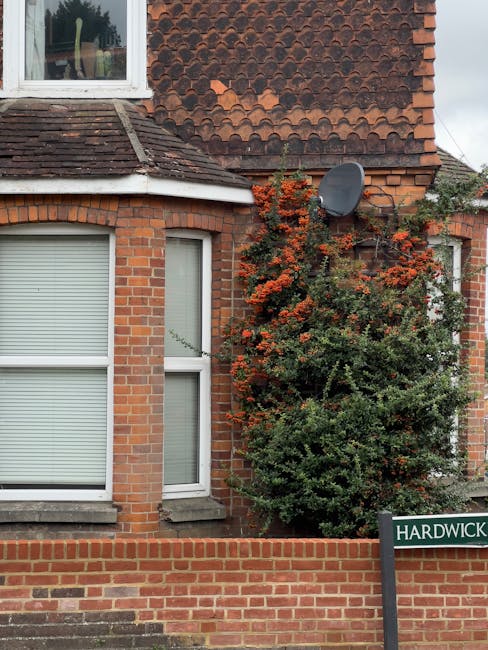
Markhouse Road garden care tips for Walthamstow flats
If you live in a flat near Markhouse Road, you probably know the feeling: a balcony, a small courtyard, maybe a narrow shared patch of outdoor space that never quite behaves like the garden in your head. A bit too windy. A bit too shaded. Soil that dries out fast, then soaks up rain like a sponge. That is exactly why Markhouse Road garden care tips for Walthamstow flats need to be practical, not dreamy.
This guide is built for real London living. It covers the everyday things that help container plants stay healthy, keeps shared spaces looking cared for, and avoids the common mistakes that turn a promising corner of green into a weekly frustration. You will find simple steps, local considerations, seasonal advice, and a few honest trade-offs too. Because, lets face it, flat gardening is often more about working with limits than fighting them.
Whether you want a small edible corner, a neater balcony, or a low-maintenance outdoor setup that still feels welcoming, the ideas below should help. And if you are looking for broader support around home and outside spaces, it can also be useful to explore professional gardening services alongside your own routine.
Table of Contents
- Why Markhouse Road garden care tips for Walthamstow flats Matters
- How Markhouse Road garden care tips for Walthamstow flats Works
- Key Benefits and Practical Advantages
- Who This Is For and When It Makes Sense
- Step-by-Step Guidance
- Expert Tips for Better Results
- Common Mistakes to Avoid
- Tools, Resources and Recommendations
- Law, Compliance, Standards, or Best Practice
- Options, Methods, or Comparison Table
- Case Study or Real-World Example
- Practical Checklist
- Conclusion
- Frequently Asked Questions
Why Markhouse Road garden care tips for Walthamstow flats Matters
Outdoor space in a flat is not just decorative. It can affect how your home feels day to day. A tidy balcony with herbs, a resilient planter near the door, or a well-kept shared frontage can make a place feel calmer and more lived-in. In a busy part of Walthamstow, that matters more than people sometimes admit.
Markhouse Road has the usual London mix: passing traffic, pockets of shade, gusty wind between buildings, and a lot of variation from one property to the next. A planting approach that works for a sunny suburban lawn will often fail here. Containers need different watering habits. Soil choice matters more. Drainage matters a lot. And if the space is communal, courtesy matters too.
There is also the simple reality that small spaces show problems quickly. A plant that is half-dead in a big garden can disappear into the background. On a flat balcony, it stares at you every morning. That is not a disaster, just a reason to plan carefully.
Good garden care in this setting is about three things: consistency, appropriateness, and restraint. Consistency means regular but light maintenance. Appropriateness means choosing plants and materials that suit the site. Restraint means not overcrowding the space, which is a very common London mistake. One or two strong choices usually look better than six tired ones fighting for light.
How Markhouse Road garden care tips for Walthamstow flats Works
Think of flat gardening as a small system. Light, water, wind, weight, and access all affect each other. If one part is ignored, the whole thing becomes harder to manage. That is why the best Markhouse Road garden care tips for Walthamstow flats start with observation, not shopping.
First, look at the space at different times of day. Morning light can be very different from late afternoon light. A balcony that feels bright at 10am may be shaded by 2pm. If the space gets direct wind, containers can dry out faster than expected. If it is tucked between walls, damp can hang around and encourage moss, mildew, or soggy roots.
Next, match the planting style to the conditions. Herbs like rosemary and thyme tend to prefer a lighter, free-draining setup. Ferns and some shade plants cope better with filtered light. Trailing plants can soften railings, but only if pots are stable and secure. In truth, the plant list is less important than the conditions around it.
Finally, build a maintenance rhythm that suits your life. A flat garden does not need constant fussing. It needs regular attention. Ten minutes a few times a week will often do more good than a heroic Sunday session followed by two weeks of neglect. Bit by bit, that rhythm keeps everything steady.
Key Benefits and Practical Advantages
When a small outdoor space is managed well, the benefits go beyond looks. Yes, it can be pretty. But the real value is in how it supports everyday life.
- Better use of small space: Containers, vertical planters, and slim shelving can turn a narrow balcony into something usable.
- Less plant loss: Matching plants to light and wind reduces replacement costs and disappointment.
- Cleaner shared areas: Sensible care reduces leaf litter, overspill, and awkward runoff onto neighbours.
- Lower maintenance stress: A realistic setup is easier to keep going through busy weeks and holiday periods.
- Improved kerb appeal: Even a modest frontage or balcony can make a flat feel more inviting.
- Better seasonal resilience: Plants chosen for London conditions tend to cope better with heat spikes, rain, and wind.
There is another benefit people overlook: confidence. Once you understand the rhythm of your space, you stop feeling like the garden is beating you. That small shift matters. You stop second-guessing every brown leaf and start making calmer decisions. Nice, really.
If you are gradually improving a balcony, courtyard, or entrance area, you may also find value in related guidance such as home and garden support from the team when you need a broader plan rather than just one-off plant advice.
Who This Is For and When It Makes Sense
These tips suit anyone managing an outdoor space attached to a flat in or around Markhouse Road, including renters, leaseholders, landlords, and residents in shared buildings. The level of effort may be different for each person, but the core principles stay the same.
This approach makes sense if you have any of the following:
- A small balcony that gets wind or partial shade
- A shared front garden or communal planting strip
- Pots or planters that dry out quickly in summer
- Plants that keep failing because the space is not suited to them
- A desire for a tidy look without a lot of weekly work
- Concerns about overwatering, drainage, or runoff
It is also relevant if you are deciding whether to handle the care yourself or ask for help. Some people enjoy the routine. Others would rather have a practical plan and then hand over the fiddly bits. Both are valid. If you are short on time, or the space has become a bit unruly, a visit from a regular gardening service can be a sensible option.
One thing to remember: not every flat needs a full planting makeover. Sometimes the biggest improvement is simply better watering, smarter pot placement, and a lighter hand with clutter. That alone can transform the space. You do not need a grand design.
Step-by-Step Guidance
1. Start with a proper space audit
Before buying anything, walk the area and note where the sun lands, where the wind hits, and where water tends to collect. If you are on a higher floor, wind exposure may be stronger than you expect. If the area is under a canopy or beside a taller building, you may be dealing with shade for much of the day.
Ask yourself: where will pots sit safely, where can water drain, and where will people still need to walk? Those basics sound obvious, but they save a lot of hassle later.
2. Choose containers that suit the conditions
For flats, container choice matters almost as much as plant choice. Lightweight pots are easier to move, which is handy if you need to shelter them from a cold snap. Heavier pots can be more stable in wind, though they are a pain to shift. There is no perfect answer, just the right compromise for your space.
Use pots with drainage holes. Always. Without them, roots sit in water and the plant declines slowly, which is a particularly annoying kind of failure because it looks like mystery damage at first. To be fair, many struggling balcony plants are just badly drained.
3. Use the right growing medium
Ordinary garden soil is not always the best choice for pots. A quality compost mix with added structure for drainage is usually better for containers. For plants that dislike being waterlogged, you may also need a little grit or similar drainage material. For thirsty herbs and summer bedding, a moisture-retentive mix can help, but only if the container still drains well.
Think about root depth too. Shallow containers dry out faster, especially on sunny windowsills or railings. Deeper pots give roots more room and more stability.
4. Plant with the microclimate in mind
Not all parts of the same flat behave alike. A railing box on the exposed side may be scorching in one hour and chilly the next. A corner near a wall may stay warm and sheltered. Plant accordingly.
- Sunny spots: rosemary, thyme, lavender, geraniums, sedums
- Part-shade: ferns, heuchera, busy lizzies, certain grasses
- Low-light areas: shade-tolerant foliage plants and compact evergreens
It helps to keep the look layered rather than crowded. One taller plant, one mid-level plant, and one trailing plant can create more visual interest than a dense jumble.
5. Set a watering routine that reflects London weather
Watering is where most flat gardens go wrong. People either overdo it in cool weather or forget entirely during a warm spell. The trick is to check the soil with your finger before watering. If the top couple of centimetres feel dry, water thoroughly. If not, wait a bit.
Early morning is often best in warmer weather because water has time to reach the roots before the day heats up. In the evening, moisture may sit longer, which is not always ideal in cooler, damp conditions. On a breezy Markhouse Road balcony, you may need to water more often than you think. That is just London.
6. Feed lightly and regularly
Container plants use up nutrients faster than plants in the ground. A balanced feed during the growing season can keep them going, especially if you have flowers, herbs, or fruiting plants. But more is not better. Too much feed can produce floppy growth, weak roots, or leaf burn.
Use smaller doses and observe the result. If the plant looks lush but weak, dial it back. If it looks pale and slow, it may need nourishment. Pretty simple, really.
7. Prune, deadhead, and tidy as you go
Dead flowers, tired stems, and yellow leaves drag the whole space down visually. A quick tidy once a week keeps things fresh. Pruning also encourages healthier growth and can stop plants from becoming lopsided.
On small spaces, tidiness is not just cosmetic. It helps airflow, reduces disease risk, and prevents pots from becoming a tangle of broken stems and forgotten labels. We have all seen that corner. It gets a bit wild, then suddenly it is a job for another day. Then another.
8. Protect the space through the seasons
Winter wind, frost, and summer heat can all take a toll. Move delicate pots closer to shelter when needed. Raise containers slightly off the floor so drainage stays free. In heatwaves, group pots together to reduce drying, but avoid leaving them packed so tightly that airflow disappears.
A simple seasonal reset each spring and autumn is often enough to keep the space manageable. Clear out the dead growth, check pot health, refresh compost, and reassess what actually performed well.
Expert Tips for Better Results
There are a few details experienced gardeners pay attention to that make a surprisingly big difference in flats. Small things, yes. But small things add up fast.
- Use saucers carefully: They can protect surfaces, but standing water should not linger for long.
- Group plants by thirst: That makes watering easier and reduces accidental overwatering.
- Rotate pots now and then: Some plants lean toward the light. A gentle turn keeps growth even.
- Watch reflective heat: Glass, pale walls, and metal railings can intensify warmth in summer.
- Pick resilient varieties first: Fancy plants are lovely, but hardier choices usually create a better long-term result.
- Keep a spare bag of compost: You will use it. Sooner than you think.
A useful rule of thumb: if a plant repeatedly struggles in one spot, do not keep forcing it. Move it. Some plants simply refuse to like a particular corner, and that is fine. The plant is not being dramatic. It is communicating.
If you are looking to improve structure as well as planting, it may help to browse landscape gardening support for ideas that suit compact urban spaces without making them feel overdesigned.
Expert summary: The best results in flat gardens come from matching plant choice to real conditions, keeping the layout simple, and making maintenance easy enough that you will actually do it. Fancy only works when the basics are already right.
Common Mistakes to Avoid
Most problems in Walthamstow flat gardens are not exotic. They are predictable, and that is good news because predictable problems can be fixed.
- Overcrowding pots: It looks full at first, then turns into a competition for light and water.
- Ignoring drainage: Standing water causes root stress and encourages decay.
- Choosing plants for looks alone: A beautiful plant that hates wind will soon become a sad one.
- Using too much fertiliser: Fast growth is not always healthy growth.
- Forgetting access: If you cannot reach the back of a planter, it will become neglected.
- Letting shared areas sprawl: In communal settings, one person's overflow becomes everyone's irritation.
- Buying more before fixing the setup: The setup is usually the real issue.
A quieter mistake is emotional. People sometimes expect a flat garden to look "finished" all the time. It will not. It will have odd moments. A plant may sulk after repotting. Leaves may get scorched in a heatwave. That is normal. Care is a process, not a snapshot.
Tools, Resources and Recommendations
You do not need a shed full of gear to manage a small outdoor space well. In fact, too many tools can make a compact area awkward. A basic, good-quality kit is usually enough.
| Item | Why it helps | Best for |
|---|---|---|
| Small watering can | Lets you water accurately without waste | Balconies, window boxes, small planters |
| Hand trowel | Makes repotting and compost top-ups easier | General container care |
| Pruning shears | Helps tidy dead growth and keep plants in shape | Shrubs, herbs, and flowering plants |
| Moisture meter or finger test | Prevents guesswork with watering | All container setups |
| Plant ties or clips | Secures climbers and trailing stems neatly | Vertical and railing planters |
| Lightweight compost and mulch | Improves moisture retention and root health | Seasonal refreshes |
On the planning side, it can help to keep a simple note on your phone with what you planted, when you watered, and which pots need attention. Nothing fancy. Just enough to stop guesswork. In a busy week, that little note can save a lot of backtracking.
If the project is becoming more involved, or you want help keeping things neat through the year, a wider seasonal gardening service can be useful for resets, planting refreshes, and tidying jobs that are easy to postpone.
Law, Compliance, Standards, or Best Practice
Flat gardening is usually straightforward, but there are still a few practical and neighbour-related points to keep in mind. The exact obligations will vary depending on whether you rent, own, or share the space, so it is wise to check your lease, building rules, or management guidance where relevant.
Common best-practice considerations include:
- Fire safety and access: Do not block escape routes, shared walkways, or access panels with pots, trellis, or furniture.
- Weight limits: Balconies and raised structures may have limits, so avoid loading them with large heavy planters without checking suitability first.
- Water runoff: Try to prevent excess water from draining onto lower balconies or communal surfaces.
- Shared areas: Keep plants within agreed boundaries and avoid blocking maintenance access.
- Plant selection: Avoid aggressive climbers or invasive species that are difficult to manage in small shared settings.
Where there is uncertainty, a cautious approach is best. If a pot feels too heavy, place it elsewhere. If a planter may damage a surface, use a protective base. If a plant spreads too easily, choose something easier to control. The point is not to be anxious. Just sensible.
For households and landlords wanting broader help with upkeep across the property, a landlord garden maintenance arrangement can keep standards consistent without turning the place into a weekly project.
Options, Methods, or Comparison Table
Different flat gardens need different approaches. Here is a simple comparison to help you decide what suits your space best.
| Method | Pros | Cons | Best for |
|---|---|---|---|
| Container gardening | Flexible, tidy, easy to rearrange | Needs more watering and feeding | Most balconies and small patios |
| Raised planters | Good height, easier access, better structure | Can be heavier and more expensive | Shared courtyards and accessible layouts |
| Window boxes | Space-efficient and attractive | Dry out quickly, limited root space | Front-facing flats and railings |
| Vertical planting | Great for limited floor space | May need careful fixing and watering | Very small balconies |
| Minimal low-maintenance scheme | Less work, more resilience | Less variety or seasonal colour | Busy residents and rental properties |
If you are unsure, start with containers. They are the easiest way to learn what your space actually does across a few months. Once you know the pattern, you can expand confidently. That is usually the smarter move, honestly.
Case Study or Real-World Example
A typical example: a second-floor flat near Markhouse Road with a narrow balcony facing west. The resident wanted herbs, colour, and something that did not take over the space. At first, the balcony looked promising in the afternoon, but the plants were constantly drying out and a couple of cheap pots kept toppling in the wind.
The fix was not complicated. The layout was simplified. Heavier pots went in the windiest corner. Herbs were grouped together so they could be watered at the same time. A small trailing plant was added to soften the rail line, but only after checking it would not spill into the walkway. The resident also swapped out one deep shade-loving plant that kept sulking for a sun-tolerant variety better suited to the actual light.
Within a few weeks, the space felt calmer and easier to manage. Not perfect. Not magazine-perfect. But better in a way you could feel every time the door opened and a bit of warm air drifted in. That matters more than perfection.
Another common scenario is a shared entrance strip where residents want things to look presentable without arguing over responsibility. In that case, the winning strategy is often simplicity: tough planting, defined edges, and a maintenance routine that anyone can follow. If one person needs to cover a missed week, the setup still holds together.
Practical Checklist
Use this checklist before you buy plants or rearrange your flat garden space.
- Check how much direct sun the area gets
- Note windy corners and sheltered corners
- Confirm there is proper drainage in every container
- Choose plants that suit the light and exposure
- Keep heavy pots away from awkward or unsupported edges
- Group plants by watering needs
- Leave space for access and maintenance
- Use a growing medium designed for containers
- Set a realistic watering routine
- Remove dead growth and fallen leaves regularly
- Check any lease or building rules before major changes
- Review the setup each season and make small adjustments
Quick reality check: if a plan looks lovely but feels hard to maintain, it will probably fail. The best setup is the one you can keep going on a dull Tuesday as well as a sunny Saturday.
Conclusion
Good garden care for flats near Markhouse Road is not about creating a perfect outdoor room. It is about building a space that works with London conditions, fits your routine, and still feels pleasant to use. When you choose the right containers, respect the light and wind, and keep maintenance simple, even the smallest balcony can become a place you actually enjoy.
The real secret is consistency. Not grand effort. Not constant reinvention. Just a steady, sensible approach that keeps the space healthy and easy to live with.
If you want help turning that into a reliable routine, or you are weighing up whether to manage it yourself or bring in support, the next step can be as simple as asking for advice and comparing options. A good plan saves time, money, and a fair bit of frustration too.
Get a free quote today and see how much you can save.
And if all you do this week is water properly, remove the dead bits, and move one struggling plant to a better spot, that is already a win.
Frequently Asked Questions
What are the best plants for Walthamstow flat balconies?
It depends on light and wind, but hardy container plants usually do best. Herbs like thyme and rosemary, compact geraniums, sedums, ferns for shade, and small evergreen plants are often reliable choices. The key is matching the plant to the actual conditions, not just the look.
How often should I water plants in a flat garden?
There is no single rule, because sun, wind, and pot size all change the answer. In warm spells, some pots may need water every day. In cooler or shaded conditions, far less. Check the top layer of soil first. If it feels dry, water thoroughly.
Why do my balcony plants keep dying?
Usually it is one of three things: too much water, not enough water, or the wrong plant for the site. Wind exposure and poor drainage are also common problems in flat settings. A small adjustment to placement or pot choice can make a big difference.
Do I need special compost for containers?
Yes, container plants generally do better in compost designed for pots rather than ordinary soil. Standard garden soil can be too heavy and may not drain properly. For some plants, adding a little grit helps too.
Can I grow vegetables in a Walthamstow flat?
Absolutely, as long as you choose compact crops and enough light. Salad leaves, herbs, chillies, cherry tomatoes, and some dwarf varieties can work well. Just remember that food plants need regular watering and feeding. They are a bit needy, to be fair.
How do I stop pots from blowing over?
Use heavier containers, place them in sheltered corners, and avoid tall, top-heavy planting in exposed spots. A wider base and sensible placement are often enough. If the balcony is very windy, choose lower-growing plants and keep the display compact.
What is the easiest low-maintenance option for a flat?
A small selection of tough, drought-tolerant container plants is usually the easiest option. Add one or two evergreen features, keep the layout simple, and avoid anything that needs constant deadheading or reshaping. Less can genuinely be more here.
Can I put big planters on a balcony?
Sometimes, but you should be cautious. Heavy planters can be difficult to move and may create structural concerns depending on the balcony. If in doubt, choose lighter containers or spread the weight out rather than concentrating it in one spot.
How do I keep a shared courtyard tidy without upsetting neighbours?
Keep plants within agreed boundaries, avoid dripping water onto common walkways, and remove fallen leaves or debris regularly. A neat, low-sprawl arrangement usually works best in shared spaces. Clear communication helps too. A lot.
Is vertical gardening a good idea for small flats?
Yes, especially when floor space is limited. Vertical planters, wall-mounted systems, and rail boxes can work well if they are securely fixed and easy to water. Just make sure the setup does not become awkward to maintain.
When should I refresh my flat garden setup?
Spring and autumn are the best times for a reset. In spring, replace tired compost and replant for the growing season. In autumn, tidy dead growth and check what survived the year well. That seasonal review keeps the space from drifting into clutter.
Should I hire a gardener for a flat outdoor space?
If you are short on time, dealing with awkward access, or managing a communal area, hiring help can make sense. It is especially useful when you want the space to look cared for without spending every weekend on it. Sometimes that is the most practical choice, and there is no shame in that.