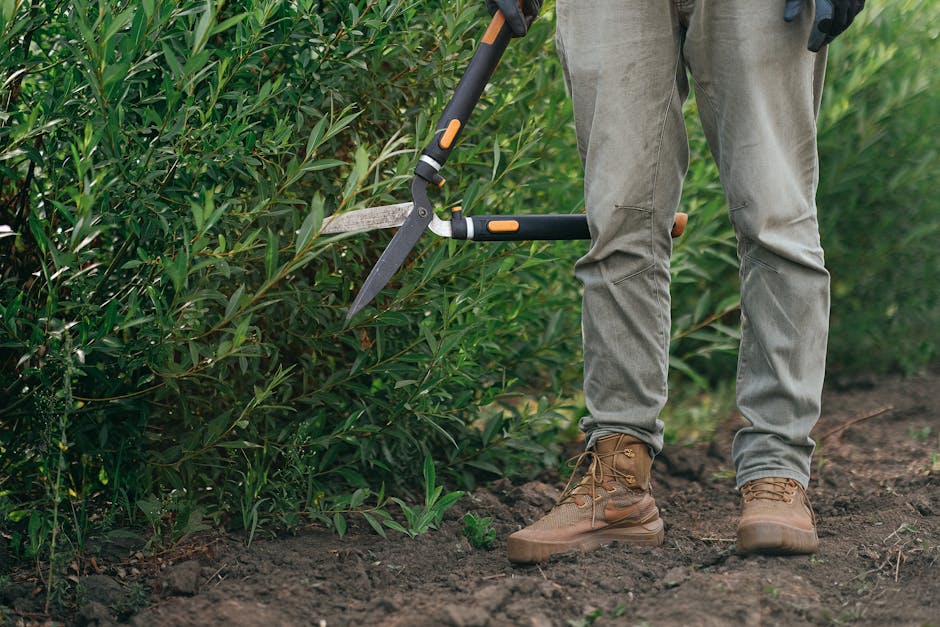
Hoe Street gardeners Walthamstow expert garden care: a practical local guide
If you live near Hoe Street and your garden has started to feel a little unruly, you are not alone. London gardens can move from tidy to wild surprisingly fast, especially after a wet spell, a warm week, or one busy month when the lawn just gets away from you. This guide to Hoe Street gardeners Walthamstow expert garden care explains what good garden maintenance looks like, how professional support usually works, and how to decide what level of help makes sense for your space. It is written for real gardens, not perfect ones.
Whether you need regular lawn care, border tidy-ups, hedge shaping, green waste removal, or a broader seasonal maintenance plan, the goal is the same: to keep your outdoor space healthy, usable, and easy to enjoy. And yes, even small gardens can benefit from a proper plan. In fact, sometimes they need it more.
For readers comparing services, it may help to start with the full service overview and then check pricing and quotes once you know what you actually need. That sounds simple, but it saves a lot of guesswork.
Table of Contents
- Why Hoe Street gardeners Walthamstow expert garden care Matters
- How Hoe Street gardeners Walthamstow expert garden care Works
- Key Benefits and Practical Advantages
- Who This Is For and When It Makes Sense
- Step-by-Step Guidance
- Expert Tips for Better Results
- Common Mistakes to Avoid
- Tools, Resources and Recommendations
- Law, Compliance, Standards, or Best Practice
- Options, Methods, or Comparison Table
- Case Study or Real-World Example
- Practical Checklist
- Conclusion
- Frequently Asked Questions
Why Hoe Street gardeners Walthamstow expert garden care Matters
A garden in Walthamstow is rarely just decorative. For many people it is where the washing gets hung, where children kick a ball about, where a dog tears through after the postman, or where you sit with a cup of tea when the weather behaves itself. Expert care matters because a garden under pressure needs more than the occasional trim. It needs timing, judgment, and a steady hand.
Hoe Street is a busy, lived-in part of London, which means outdoor spaces often face the usual urban mix: shade from neighbouring buildings, compacted soil, patches of paving, access that is a bit tight, and plants that have to work harder than they would in a rural setting. A skilled gardener understands these constraints and plans accordingly. That is the difference between tidying up and actually improving the garden.
There is also the simple matter of rhythm. A lawn that is cut at the right height, borders that are weeded before they seed, and hedges that are trimmed at the right time of year all reduce long-term effort. Neglect tends to compound. Care does too, thankfully. One good season can reset a lot.
Local gardeners who know the area can also give more grounded advice about what is likely to thrive in typical Walthamstow conditions. Not every plant loves a north-facing yard or a narrow strip of soil between fence and patio. Truth be told, plenty of gardens just need realistic choices, not miracle work.
If you want a broader sense of what a provider covers, the services overview is a useful place to compare routine maintenance with one-off jobs and seasonal support.
How Hoe Street gardeners Walthamstow expert garden care Works
Good garden care usually starts with a straightforward assessment. A gardener looks at the size of the space, the condition of the lawn, the density of the planting, access points, waste volume, and any obvious problem areas. This is not just a quick glance. A proper eye can spot drainage issues, signs of stress in shrubs, uneven growth, and where a garden is spending energy in all the wrong places.
From there, the work is typically broken into practical tasks. That might include mowing, edging, hedge cutting, border clearance, pruning, leaf collection, weed control, and seasonal clean-ups. In some gardens, the work is regular and predictable. In others, it is more of a rescue mission at first, then a maintenance plan afterwards. Both are perfectly normal.
Expert care also means knowing what not to do. Cutting a hedge too hard at the wrong time, scalping a lawn, or stripping back all the wildlife cover in one go can leave the garden worse than before. A good gardener works with the growth cycle, not against it. Sounds obvious, but it is a common miss.
Where appropriate, the gardener may also advise on soil improvement, mulching, plant replacement, or small layout changes to make future maintenance easier. A bit of thought up front can save hours later on. That is the real value, to be fair.
For customers who care about safe working practices, it is sensible to look at the provider's health and safety approach and insurance and safety information before booking.
Key Benefits and Practical Advantages
The obvious benefit is a neater garden, but that is only the surface of it. The deeper advantages are usually about time, consistency, and plant health.
- Better plant performance: Pruning and feeding at sensible times helps plants recover and grow in a more controlled way.
- Less weekend backlog: Instead of spending your free time wrestling weeds and hedge trimmings, you can actually enjoy the space.
- Cleaner presentation: This matters if you are preparing a home for sale, rental, visitors, or simply want the place to feel looked after.
- Reduced safety risks: Overgrown paths, hidden debris, and slippery moss are easier to deal with before they become a nuisance.
- More predictable upkeep: Once a garden is on a maintenance cycle, it usually becomes easier and cheaper to manage over time.
There is also a quieter benefit that people often underestimate: peace of mind. A well-kept garden tends to feel easier to live with. You look outside and do not get that little sigh of "oh no, I really should sort that." Anyone with a yard, patio, or small lawn knows the feeling.
Another practical plus is sustainability. A responsible gardener can often reduce waste, separate green material properly, and recommend options that suit local growing conditions. If that matters to you, take a look at the recycling and sustainability page to understand the kind of approach you can expect.
Who This Is For and When It Makes Sense
This type of service is useful for a wide range of households and property types. It is not just for people with large lawns or expensive planting schemes. In fact, smaller urban gardens can be the most demanding because they tend to show neglect quickly.
It makes sense if you are:
- short on time and want the garden kept under control
- struggling to keep up with weeds, overgrowth, or leaf fall
- preparing a property for sale or new tenants
- managing an outdoor space that has become difficult to access safely
- planning for seasonal changes and want a cleaner, healthier reset
- simply not confident doing heavier garden work yourself
It also makes sense after a period of neglect. Gardens do not judge, even though they sometimes look like they do. A long-overdue clear-up followed by routine maintenance is often the smartest route. Trying to fix everything in one day can be exhausting and, honestly, a bit demoralising.
If you are unsure whether you need one-off work or ongoing maintenance, a quick review of quote options usually helps clarify the scale of the job. The right plan is usually the one that fits your actual garden, not somebody else's ideal version of it.
Step-by-Step Guidance
Here is a practical way to approach expert garden care on Hoe Street and across Walthamstow.
- Walk the garden first. Note what is overgrown, what looks healthy, what feels unsafe, and what you want to keep.
- Prioritise the work. Start with access, safety, and clear visual wins such as paths, lawn edges, and major weed growth.
- Separate urgent tasks from ongoing tasks. For example, a broken fence panel is urgent; improving border structure can usually wait a little.
- Use the right timing. Hedge cuts, pruning, and lawn treatments all work better at certain points in the season.
- Remove waste as you go. Otherwise the garden quickly feels half-finished, which is frustrating. We have all been there.
- Finish with light shaping and detail work. Edges, final sweeps, and a clean surface make a huge difference to the result.
- Set a maintenance rhythm. Regular visits are usually easier than letting everything drift and then doing a massive reset later.
A realistic example: a small back garden may need one visit for clearance, a second for pruning and lawn improvement, then a monthly or fortnightly maintenance schedule. That is often more effective than assuming everything can be corrected in one pass. Gardens, like most things, prefer consistency.
For general service planning and what can be bundled together, the service options page can help you match tasks to outcomes.
Expert Tips for Better Results
Here are a few practical pointers that make a real difference.
- Do not cut too much at once. Overcutting lawns or hedges can stress the plant and leave visible damage.
- Mulch where possible. A layer of mulch helps suppress weeds and hold moisture, especially in sunnier spots.
- Work from the outside in. Clearing edges and access areas first makes the whole garden easier to manage.
- Inspect after rain. Wet weather reveals drainage issues, moss, and soft spots that are easy to miss in dry conditions.
- Keep a simple garden calendar. A few notes on pruning, feeding, and clearance dates can stop tasks being forgotten.
- Choose plants for the site, not the label. A shade-tolerant plant in a shady London yard will usually perform better than a showy one that hates the conditions.
One small but useful habit: stand at the back door and look at the garden for ten seconds before and after work. It sounds almost too simple, but it helps you notice whether the space feels balanced, open, and tidy. That tiny pause can save a lot of rework.
And if you are comparing providers, ask how they handle waste, access, and security when they are on site. The details matter. A lot.
Common Mistakes to Avoid
Most garden problems are not dramatic. They are just repeated small mistakes that build up over time.
- Ignoring seasonal timing: Pruning at the wrong point can reduce flowering or leave growth vulnerable.
- Letting weeds seed: One missed visit can lead to weeks of extra work later.
- Using blunt tools: Poor cuts damage plants and make the whole job look untidy.
- Cutting lawns too short: Scalping weakens grass and can expose bare patches.
- Leaving waste piled up: It looks untidy and can attract damp, pests, and mildew.
- Forgetting access and safety: Narrow side passages, uneven paving, and loose items can create avoidable problems.
Another common one is expecting perfection straight away. A neglected garden can be transformed, but it may take more than one visit and a bit of patience. That is normal, not a failure. Gardens are living systems, not flat-pack furniture.
Tools, Resources and Recommendations
For most professional garden care jobs, the right tools are simple but specific. Clean cutting blades, a reliable mower, edging tools, shears, rakes, pruning equipment, green waste bags or bins, and safe transport for waste all matter. The best tool is often the one that does a neat job without stressing the plant.
If you are a homeowner trying to keep on top of things between visits, these basics are usually enough:
- a sharp pair of secateurs for light trimming
- a decent rake for leaves and thatch
- a hand weeder or narrow trowel for border weeds
- gloves that actually fit, which sounds obvious but saves grief
- a hose or watering can for dry spells
- garden sacks or a compostable waste system where suitable
For support services and practical next steps, it may also help to read the provider's insurance and safety information and health and safety policy. Those pages are not exciting, granted, but they tell you a lot about how work is managed.
If accessibility matters to you or someone in your household, the accessibility statement is worth checking too. A trustworthy service should be transparent and easy to deal with.
Law, Compliance, Standards, or Best Practice
Garden maintenance is not usually highly regulated in the way some trades are, but there are still sensible UK standards and duties that matter in practice. A professional provider should work safely, use equipment properly, and handle waste responsibly. If work involves powered tools, manual lifting, ladders, or access through shared spaces, good risk awareness is essential.
Best practice also includes clear pricing, fair communication, and careful handling of customer property. If a company gives quotes, it should be transparent about what is included and what may cost extra. That avoids awkward surprises later. Nobody enjoys those.
It is also reasonable to expect a service to have clear policies on complaints, payments, and data handling. These pages are part of trust, not paperwork for the sake of it. If you are comparing providers, review their payment and security information and complaints procedure so you know how issues are handled if they ever arise.
For environmentally aware customers, sustainable waste handling and recycling are increasingly part of normal good practice. Green waste should be managed carefully, and wherever possible, recycling or composting should be considered rather than sending everything straight to landfill. The recycling and sustainability page gives a clearer picture of that approach.
One more point, because it matters: any professional gardening business should be clear about ethical practices across its operations. Transparency builds trust. Simple as that.
Options, Methods, or Comparison Table
Choosing the right level of garden care depends on the condition of the space, your budget, and how much hands-on work you want to do yourself. Here is a simple comparison to help.
| Approach | Best for | Typical strengths | Possible limitations |
|---|---|---|---|
| One-off tidy-up | Overgrown or neglected gardens | Fast reset, visible improvement | Needs follow-up to stay tidy |
| Regular maintenance | Busy households and rental properties | Consistent results, less catch-up work | Requires an ongoing commitment |
| Seasonal care plan | Gardens with varied planting and shrubs | Better timing for pruning, feeding, clearing | May not suit very small spaces |
| DIY with occasional support | Confident owners who enjoy light gardening | Lower cost, flexible | Heavy work can still become a burden |
The right answer is rarely the fanciest one. It is the one that fits how you actually live. A neatly maintained courtyard garden may need only occasional support, while a larger family garden often benefits from scheduled visits. Different jobs, different rhythms.
Case Study or Real-World Example
Here is a realistic example based on the sort of work local gardeners often see. A small Walthamstow rear garden had become crowded with weeds, patchy lawn growth, and a hedge that had started to lean into the path. The owners were not looking for a complete redesign. They just wanted the space back.
The first visit focused on clearance: cutting back overgrowth, removing dead material, edging the lawn, and making the path safe again. The second visit tackled shaping, further weed control, and a more even cut on the lawn. After that, the garden moved onto a lighter maintenance rhythm. Nothing flashy. Just steady, sensible work.
What changed most was not only how it looked, but how it felt to use. The owners could step outside without feeling they were walking into a chore. The garden became a place to sit again. That is often the real measure of success. Not the perfection of the borders, but whether the space works for your life.
For anyone in a similar position, the next step is usually simple: identify what you want to regain first, then ask for a quote based on that priority. That way the job stays realistic and the outcome is more satisfying.
Practical Checklist
Use this checklist before booking or starting a garden care visit.
- Walk around the whole garden and note the worst problem areas
- Decide whether you need a one-off tidy-up or ongoing maintenance
- Check access routes for narrow paths, gates, steps, or trip hazards
- Identify any fragile plants, ornaments, or features that need care
- Ask how waste will be removed, recycled, or disposed of
- Confirm what tools and materials are included
- Review payment terms and quote clarity
- Look for clear safety and insurance information
- Set a realistic follow-up schedule if the garden needs recovery work
- Keep a note of any seasonal jobs coming up next
Expert summary: the best garden care is not about doing everything at once. It is about choosing the right priorities, using the right timing, and keeping the work steady enough that the garden never gets completely out of hand.
Before you decide, it can help to compare the available service structure and the likely scope of work on the services overview, then move to pricing and quotes once the job is clearer. That is usually the cleanest route.
Conclusion
Hoe Street gardeners Walthamstow expert garden care is really about making outdoor space easier to live with, not just tidier to look at. A good gardener brings local understanding, sensible timing, careful handling of plants, and enough practical experience to solve problems before they snowball. That can mean a fresher lawn, healthier borders, safer paths, and a garden you are happy to step into rather than step around.
If your garden has been nagging at you for weeks, that is usually a sign it needs a proper plan rather than another rushed attempt on a Sunday afternoon. Start with the basics, ask clear questions, and choose support that fits the space you actually have. Small, steady improvements often beat grand plans anyway.
Get a free quote today and see how much you can save.
And if you do take that step, there is a good chance you will look out a few weeks later and think: yes, that feels better.
Frequently Asked Questions
What does expert garden care usually include in Walthamstow?
It usually covers lawn mowing, edging, hedge trimming, weeding, border tidy-ups, pruning, leaf clearance, and green waste removal. Some gardens also need seasonal work or light reshaping to improve layout and access.
How often should a garden on Hoe Street be maintained?
That depends on growth, usage, and the size of the space. Many gardens benefit from fortnightly or monthly maintenance, while overgrown or newly restored gardens may need a short series of more frequent visits first.
Is a one-off tidy-up enough for an untidy garden?
Sometimes, yes, if the problem is mainly surface overgrowth. If the garden has been neglected for a long time, a one-off tidy-up may be the first stage, followed by lighter ongoing care to keep it under control.
What should I ask before hiring a gardener locally?
Ask what is included, how waste is handled, whether the service is insured, how pricing works, and whether they can deal with access issues or awkward areas. Clear answers early on usually mean fewer surprises later.
Can garden care help with rental properties or sale preparation?
Yes. A neat, well-kept garden can improve first impressions and make a property feel better maintained overall. For lettings and sales, simple improvements often have a bigger impact than expensive changes.
Do I need to provide tools or equipment?
Most professional gardeners bring their own tools, but it is always worth checking. If there is anything unusual about your garden, such as restricted access or fragile surfaces, mention it in advance so the right equipment can be planned.
How do I know if a gardener works safely?
Look for clear safety information, sensible communication, insurance details, and a careful approach to access and waste. Safety should feel organised, not improvised. That is a good sign.
What happens to the garden waste?
Usually it is collected, bagged, and removed for responsible disposal or recycling where possible. If sustainability matters to you, ask about the provider's recycling approach before the job begins.
Can a small urban garden still benefit from professional care?
Absolutely. Small gardens often need just as much thought as larger ones because every square metre counts. A tidy courtyard, patio edge, or compact lawn can make a huge difference to how the whole home feels.
How do I compare prices without just choosing the cheapest option?
Compare what is included, how often work will happen, whether waste removal is covered, and whether the service is insured and transparent. The cheapest quote is not always the best value if it leaves out important work.
Is accessibility something I should mention when booking?
Yes, if relevant. Narrow paths, steps, mobility needs, or anything else that affects access should be mentioned early so the work can be planned safely and respectfully. A good service should make that easy.
What is the best first step if my garden is badly overgrown?
Start with an assessment and a realistic clear-up plan. Do not try to do everything in one go if the space is very tired. A staged approach usually gives better results and feels far less overwhelming.