Access Problems for Walthamstow Gardeners Flats and Yards
Access problems for Walthamstow gardeners flats and yards can turn a straightforward job into a fiddly one. Narrow side gates, shared entrances, awkward stairwells, basement yards, locked bin stores, and tight communal paths all change how garden work gets done. In Walthamstow, where you often see a mix of Victorian conversions, newer flats, and compact courtyard spaces, the challenge is usually not the gardening itself - it is getting people, tools, and waste in and out without upsetting neighbours or damaging anything.
This guide explains what access issues actually mean in practice, why they matter, and how to handle them properly. If you are a flat owner, landlord, tenant, or managing agent, you will find practical steps here for planning visits, reducing delays, and avoiding the kind of problems that make a simple tidy-up feel like a small expedition. Let's face it, nobody wants a mower stuck in a corridor on a damp Tuesday morning.
For a broader look at how garden care is organised locally, you may also find the services overview useful, especially if access constraints mean the job needs to be broken into several tasks rather than handled in one pass.
Table of Contents
- Why access problems matter
- How access planning works in flats and yards
- Key benefits of getting access right
- Who this is for and when it makes sense
- Step-by-step guidance
- Expert tips for smoother jobs
- Common mistakes to avoid
- Tools, resources and recommendations
- Law, compliance, standards and best practice
- Options, methods and comparison
- Case study or real-world example
- Practical checklist
- Conclusion
- Frequently asked questions
Why Access problems for Walthamstow gardeners flats and yards Matters
Access sounds like a small operational detail, but it shapes almost everything. If a gardener cannot reach the back yard properly, the work takes longer, costs more, and often produces a worse finish. If waste cannot be removed cleanly, cuttings can pile up. If there is no sensible route for tools, delicate surfaces and communal hallways can get scratched, scuffed, or muddy. And if residents are trying to get in and out while gardening is happening, tensions build quickly. Not ideal.
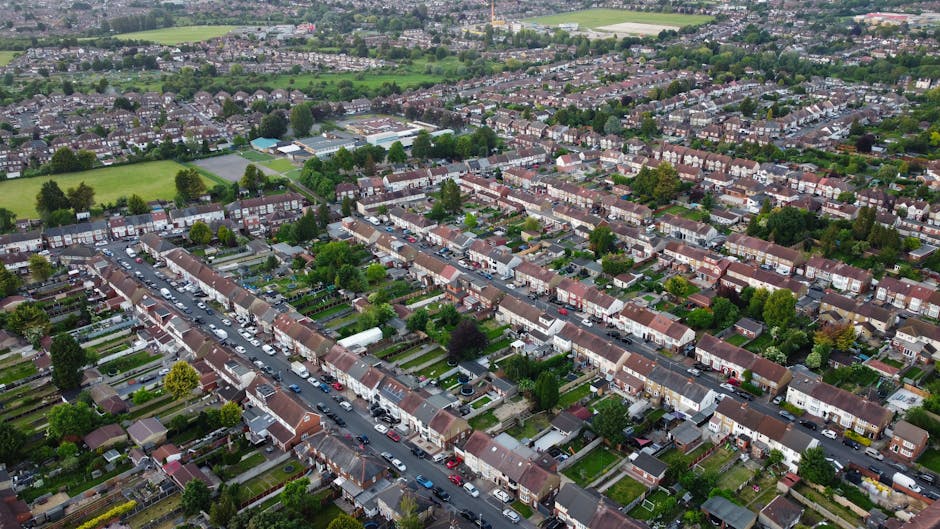
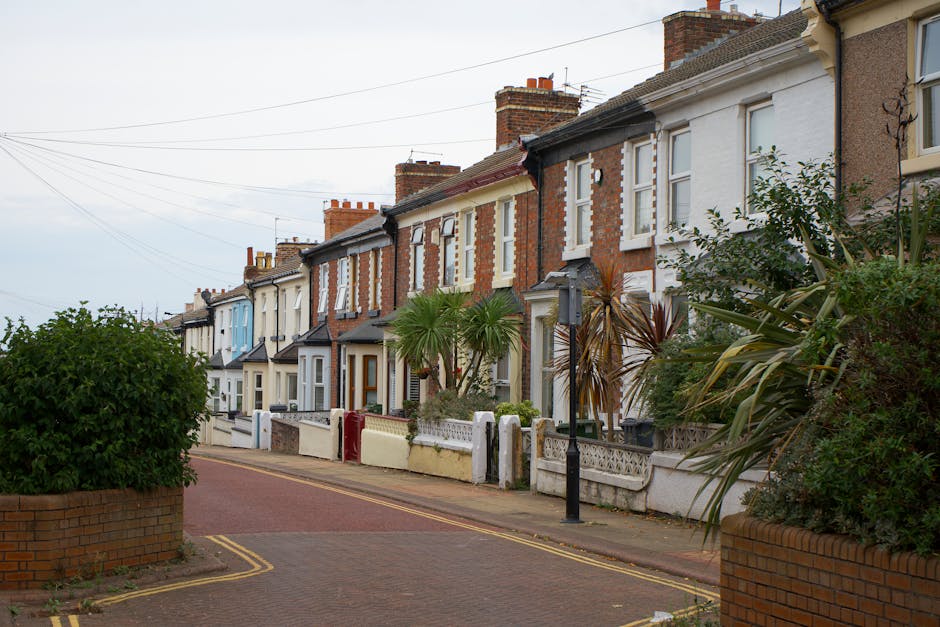
In Walthamstow, access problems are common because many outdoor spaces are tucked away behind buildings or reached through shared corridors, side alleys, or narrow service routes. Flats may have internal courtyards that look simple from above, but in reality they can involve keys, coded doors, or awkward steps. Yards can be compact and beautifully hidden, which is lovely in summer, less lovely when you are trying to wheel out a bag of hedge cuttings after rain.
Good access planning matters because it protects three things at once:
- The quality of the garden work - the right tools reach the right space, so pruning, mowing, or clearance is actually done properly.
- The building and shared areas - walls, floors, railings, and doors stay protected.
- The schedule - fewer delays, fewer return visits, and fewer last-minute surprises.
For residents, that often means less disruption and a tidier result. For landlords and managing agents, it means a smoother service and fewer complaints. If you already know the garden will need repeated visits, a sensible maintenance arrangement through garden maintenance can be easier to manage than ad hoc one-off visits, because access expectations can be built in from the start.
Expert summary: most access issues are not about the garden being difficult; they are about planning the route, timing, permissions, and waste removal before anyone arrives on site.
How Access problems for Walthamstow gardeners flats and yards Works
In practical terms, "working with access problems" means designing the job around the building rather than forcing the building to fit the job. A professional gardener will usually think in terms of entry points, carrying distance, tool size, waste handling, and how much disruption the work will create in shared spaces.
A simple lawn cut in a private garden might take very little planning. A courtyard behind a block of flats is different. The route may involve a front entrance, a communal hallway, a courtyard gate, and a yard with limited turning space. If the job includes trimming, clearance, or small tree work, the access challenge grows again. That is why it helps to match the task to the route. For example, bulky debris from overgrown borders may be more manageable if the garden is first reduced in stages with support from garden clearance.
Here is the basic working pattern that usually makes sense:
- Survey the route - measure gates, check stairs, note low headroom, and identify locked or shared areas.
- Choose the right equipment - compact tools, foldable handles, lightweight cutters, or battery kit where practical.
- Plan waste movement - decide where clippings, soil, branches, and packaging will go before the first cut is made.
- Agree timing - choose a slot that avoids school runs, peak footfall, or times when neighbours are likely to complain about noise.
- Protect the route - use covers, mats, or simple handling routines to avoid damage and mess.
- Complete the clean-down - sweep, collect stray material, and make sure the shared area looks as tidy as it did before, ideally tidier.
That is the process in plain English. The details vary, of course. A basement yard might need extra care with lighting and lifting. A narrow balcony garden needs a different approach again. Some jobs are almost entirely about logistics. Others are about getting in, doing five minutes of clearing, and getting out without inconvenience. Truth be told, the best gardeners are often the ones who make tricky access look boring.
Key Benefits and Practical Advantages
When access is handled well, the difference is obvious. The work starts on time, the site stays safe, and the outcome looks more professional. That sounds obvious, but in tight urban gardens it is often the difference between a decent result and a frustrating one.
Key benefits include:
- Less disruption for neighbours - cleaner movement through shared areas and fewer repeated trips.
- Lower risk of damage - no dragging tools over thresholds or scraping railings and walls.
- More efficient labour - less time wasted moving things around.
- Better garden outcomes - because the gardener can actually reach the whole space.
- Clearer pricing - access needs are easier to quote for when known in advance.
There is also a trust benefit. When a gardener asks the right questions about access, it reassures you that they understand flats and yards rather than treating every property as if it were a big open lawn. That kind of practical awareness matters. You can see it in the way they prepare: checking keys, asking about lift access, planning waste handling, and thinking about weather. On a wet day, a muddy shared corridor is the sort of thing nobody forgets in a hurry.
For larger jobs, especially those involving overgrown shrubs or awkward boundary planting, access planning can also affect whether additional services are needed. A job that begins as light trimming can turn into a bigger tidy-up if the route requires everything to be dismantled and removed in smaller sections. In those cases, a service like hedge trimming or tree lopping and removal may need extra access consideration before work begins.
Who This Is For and When It Makes Sense
This topic matters to anyone responsible for a garden or outdoor space that is not directly open to the street. In practice, that includes:
- flat owners with terraces, courts, or rear yards
- tenants who need a tidy outdoor area but do not control the building layout
- landlords managing multiple units with shared gardens
- letting agents arranging pre-tenancy clearances
- managing agents responsible for communal outdoor spaces
- small commercial premises with back yards or service areas
It makes sense to think about access problems before booking any work if the garden is hidden away, split by levels, or shared with other residents. If the path from the entrance to the yard is long or awkward, the time required for set-up and clean-up can be almost as significant as the gardening itself. That is not a problem as such; it just means the job has a different shape.
It also matters when gardens are being redesigned or upgraded. A poorly planned layout can make every future visit harder. That is where broader thinking around landscaping or landscape gardening can help, because better access paths, simpler turning space, and smarter planting choices often save a lot of grief later on.
And yes, sometimes the issue is just one tiny thing - a gate that sticks, a lock that nobody seems to own, or a bin store that blocks the route. Small thing, big headache.
Step-by-Step Guidance
If you want the work to go smoothly, the safest approach is to plan access before the gardener arrives. Here is a practical step-by-step method that works well for flats and yards in and around Walthamstow.
1. Walk the route from street to garden
Start at the point where the gardener will arrive and follow the entire route to the outdoor space. Look for narrow doors, steps, shared entrances, low ceilings, slippery surfaces, and anything that could snag equipment. If you have to duck sideways to get through, that is a clue.
2. Identify every key or permission needed
Ask who controls the front door, the side gate, the yard gate, and any communal access points. The most common problem is not the garden itself but the missing key or the person who thought someone else had it. Classic.
3. Match the work to the access conditions
A compact courtyard may be suitable for light maintenance, hand weeding, and small pruning jobs. If the route is too tight for larger machinery, it may be better to use smaller tools or divide the work into stages. This is especially relevant if the job is part of a regular visit, because consistency is easier than improvising every time.
4. Decide where waste will be staged
Garden waste should not just be left somewhere and hoped for. Plan where it will sit temporarily, how it will be bagged or bundled, and how it will exit the property. If the job involves large amounts of waste or dense overgrowth, booking a fuller garden clearance can sometimes be the cleaner option.
5. Protect shared spaces
Use simple protection where needed: sheets, mats, tidy stacking, careful carrying, and prompt sweeping. The aim is to leave hallways and communal paths in good order. A little preparation goes a long way.
6. Build in communication
Let neighbours know if there will be noise, temporary obstruction, or bags being moved through common areas. A short message can prevent a complaint later. Most people are reasonable if they know what is happening and for how long.
7. Review what was awkward
After the first visit, note any pinch points. Was the key hard to collect? Did the trolley not fit through the gate? Was there no safe place to store cuttings? Keep those notes for next time. It saves a surprising amount of hassle.
Expert Tips for Better Results
A few small habits make access jobs much smoother. These are the things that tend to separate a well-managed visit from a stressful one.
- Use compact tools where possible. A lighter setup is easier to carry through tight access and less likely to knock paintwork or brick edges.
- Keep a "first-in, first-out" route. Bring in only what is needed, and remove waste promptly rather than letting it build up.
- Separate clean and dirty items. It sounds obvious, but clean tools should not be dragged through wet clippings if you can help it.
- Work in the right order. Clear the access path first, then tackle the garden. That way you are not fighting your own debris.
- Be honest about limitations. If a gate is too small or a staircase too awkward, say so early. It is better to adjust the method than to improvise badly.
One useful local habit is to think seasonally. In spring, access issues often show up when growth is at its most vigorous and everyone suddenly realises the back yard has become a jungle again. In autumn, wet leaves and damp paths make the same route feel twice as awkward. Planning around the season can be the difference between a smooth visit and a slippery comedy routine nobody asked for.
If access is likely to be tight every time, regular maintenance is usually more practical than waiting for the space to become heavily overgrown. A managed schedule through lawn mowing and ongoing maintenance keeps the work lighter, faster, and easier to move through.
Common Mistakes to Avoid
Most access problems are predictable. The same few mistakes come up again and again, and they are usually avoidable with a bit of thought.
- Assuming access is obvious. A flat garden may look simple until you realise the only route is through a narrow communal corridor.
- Not measuring gates or doorways. "It'll fit" is not a measurement.
- Forgetting waste removal. The job is not finished when the plants are cut; it is finished when the site is clear.
- Using the wrong equipment. Large machines and tight access do not always mix well.
- Ignoring neighbours. Shared living means shared sensitivity. Noise, mess, and blocked entrances matter.
- Leaving everything until the garden is overgrown. Then access becomes harder, waste becomes heavier, and the whole thing costs more effort.
There is a simple rule of thumb: if you have to apologise before the job has even started, the access plan probably needs another look.
Tools, Resources and Recommendations
You do not need a van full of specialist kit to solve access issues, but you do need the right approach. The best tools are the ones that make movement easier, reduce mess, and keep the job controlled.
| Situation | Helpful approach | Why it works |
|---|---|---|
| Narrow side passage | Compact tools and smaller waste bags | Less snagging, easier carrying |
| Communal hallway access | Protective coverings and careful scheduling | Reduces dirt and resident disruption |
| Courtyard with limited turning space | Hand tools and staged work | Lets the gardener work in sections |
| Heavy overgrowth | Clearance-first approach | Makes the route and the garden safer to work in |
| Repeat visits to the same flat | Regular maintenance schedule | Keeps access manageable over time |
It can also help to keep a simple access note on file. That note might include gate width, entry instructions, where keys are held, whether there is a lift, and what to do if a neighbour does not answer the buzzer. Nothing fancy. Just enough to avoid rediscovering the same problem every month.
If you are comparing service providers, it is worth asking how they handle route protection, waste removal, insurance, and property safety. A professional team should be happy to discuss this. You can also check practical details such as insurance and safety and health and safety policy pages if you want reassurance about how risk is managed.
Law, Compliance, Standards, or Best Practice
For access-heavy garden work, the main compliance concerns are usually safety, neighbour impact, and property protection rather than complex regulation. That said, UK best practice is still worth taking seriously. A professional gardener should think about safe manual handling, secure site access, careful movement through communal spaces, and not creating avoidable hazards for residents.
In practical terms, that means:
- not blocking fire routes, entrances, or shared paths
- keeping tools and cuttings under control
- working in a way that minimises slips, trips, and falls
- using appropriate protective measures when carrying equipment through occupied buildings
- respecting the rules set by landlords, managing agents, or building operators
Good practice also includes clear communication about timing and access needs. If work involves repeated visits, it is sensible to confirm arrangements in advance rather than relying on assumptions. A clear accessibility statement can be a useful sign that a business thinks carefully about how people actually use spaces, although real-world access planning on site still matters most.
For waste and sustainability, responsible disposal and reuse habits are increasingly part of the standard expected by clients. If a provider sorts green waste carefully and avoids unnecessary landfill wherever possible, that is a practical plus. See also recycling and sustainability for the kind of approach that supports cleaner, more organised work.
Finally, if you are reviewing paperwork or booking terms, it is sensible to read the provider's terms and conditions and privacy policy. Not thrilling reading, granted, but it helps everyone know where they stand.
Options, Methods, or Comparison Table
Different access problems call for different responses. The best method depends on the route, the amount of work, and how much disruption the site can handle.
| Method | Best for | Pros | Trade-offs |
|---|---|---|---|
| Light maintenance visit | Small yards, tidy courtyards, recurring upkeep | Fast, simple, low disruption | Not suitable for heavily overgrown spaces |
| Phased clearance | Overgrown flats or yards with poor access | More controlled, safer for tight routes | May need more than one visit |
| Full one-off clearance | Neglected outdoor spaces needing a reset | Big visual improvement | More waste, more labour, more planning |
| Design-led landscaping | Sites that keep becoming difficult to access | Improves future usability | Higher upfront effort and planning |
In many cases, the right answer is not one method but a blend. A yard might start with clearance, move into maintenance, and later benefit from some practical redesign so the next visit is less awkward. That is where landscape gardening and broader landscaping thinking can really pay off.
Case Study or Real-World Example
Here is a realistic example based on the kind of situation that comes up often in Walthamstow. A small block of converted flats has a rear yard shared by two households. The only access is through a narrow side passage and a gate that opens inward. The yard has waist-high growth, scattered pots, and a strip of old turf that has gone patchy. Nothing dramatic. Just enough to be awkward.
The first visit begins with a quick route check. The gardener realises a standard mower will not be practical because the passage is too tight and the turning space in the yard is limited. So the job is broken into stages: hand clearance first, bagging waste in smaller loads, then cutting back the borders and tidying the hard edges. The gate is kept clear throughout, and the shared path is swept before the job ends.
What changed the outcome was not effort alone. It was the access plan. By accepting that the space had limits, the gardener avoided forcing the wrong method into the wrong environment. The residents got a clean, usable yard without damage to walls or doors. The whole job felt calmer. Less noise, less shuffling back and forth, less chance of a complaint.
If there had been no access plan, the same job might have dragged on, left more mess, and needed a second visit. That is the real lesson here. Access problems are manageable when they are treated as part of the job, not as a surprise halfway through.
Practical Checklist
Use this checklist before any garden work in a flat, shared yard, or enclosed back space:
- Confirm the exact entry route from street to garden.
- Check whether keys, codes, or permits are needed.
- Measure gates, doorways, and narrow passages if there is any doubt.
- Identify steps, uneven paving, low headroom, or slippery surfaces.
- Agree where tools and waste can be staged safely.
- Choose a time slot that reduces resident disruption.
- Warn neighbours if shared routes may be used.
- Decide whether the job is maintenance, clearance, or both.
- Check that any larger waste can be removed cleanly.
- Make notes for next time so the same issue does not come round again.
If you can tick most of those boxes, the job usually goes a lot more smoothly. A lot. And if one or two items are uncertain, sort those first rather than hoping they will sort themselves out. They rarely do.
Get a free quote today and see how much you can save.
Conclusion
Access problems for Walthamstow gardeners flats and yards are common, but they do not have to be a barrier to good garden care. The key is to treat access as part of the brief: measure it, plan it, protect it, and communicate it clearly. Whether the space needs routine maintenance, clearance, or a more thoughtful redesign, the route into the garden matters almost as much as the garden itself.
When access is well managed, the work is safer, the result is better, and the whole experience feels less stressful for everyone involved. That is especially important in flats and yards, where one small oversight can affect several people at once. Get the route right, and the rest tends to follow. Simple as that, really.
If you are comparing options or want to understand how a professional team approaches tight access, you can start with the about us page or explore the pricing and quotes information before making a decision. And if you have questions about your own setup, the best next step is usually a short conversation rather than guessing. It saves time, and a bit of worry too.
In the end, a small yard behind a flat can still be a good place to spend time - calm, green, and properly kept - even if getting there takes a little thought first.
Frequently Asked Questions
What are the most common access problems for gardeners in flats and yards?
The most common issues are narrow gates, shared hallways, locked entrances, stairs, limited turning space, and awkward waste removal routes. In older Walthamstow properties, it is also common to find hidden rear access that looks simple on paper but turns out to be rather tight in person.
Can gardening still be done if the only access is through a communal hallway?
Yes, often it can. The job just needs more care. Protective coverings, tidy carrying methods, and clear timing help reduce disruption. The main point is to avoid mess and respect other residents using the space.
Do access problems make garden work more expensive?
They can, because difficult access usually means more time, more care, or smaller loads. That said, not every access issue adds much cost. Sometimes a slightly different method is enough. The key is to explain the route clearly before the quote is given.
What should I tell a gardener before they visit a flat or yard?
Tell them how to enter, where keys or codes are held, whether there are stairs or lifts, what the gate widths are like, and where waste can be left or removed from. If the garden is shared, mention that too. It sounds basic, but it prevents most avoidable delays.
Is it better to book one-off clearance or regular maintenance for hard-to-reach gardens?
If the space is already overgrown, a one-off clearance may be the best first step. If access is always tight but the garden is kept under control, regular maintenance is usually easier and cheaper to manage over time.
What if the gardener cannot get large equipment into the yard?
That is quite common. In those cases, hand tools, compact equipment, or phased work may be the right answer. Sometimes a mower simply is not the right tool for the site. There is no shame in that.
How can I reduce damage to communal areas during garden work?
Keep the route clear, protect sensitive surfaces, carry waste carefully, and sweep up afterwards. It also helps to avoid bringing in more equipment than you need. The more controlled the route, the less likely accidental scuffs or muddy marks become.
Should I check insurance and safety information before booking?
Yes, that is sensible. Access-heavy jobs have a slightly higher risk of slips, trips, and accidental damage, so it is wise to know how those risks are handled. A provider should be able to explain their approach plainly.
What is the best way to handle garden waste in a flat with poor access?
Plan waste removal before work starts. Smaller bags, staged carrying, and a clear exit route usually work better than trying to move everything at the end in one go. For bigger jobs, clearance services may be more practical than repeated tiny trips.
Can access problems affect the quality of the final garden finish?
Absolutely. If the gardener cannot reach certain areas or has to work around cramped routes, some parts of the space may be harder to finish neatly. Good access planning helps the whole garden get the attention it needs.
How far in advance should access be discussed?
Ideally before the booking is confirmed. If the job is straightforward, a quick message may be enough. If the yard is hidden, shared, or unusually tight, it is better to discuss access early so expectations are realistic from the start.
Where can I learn more about the company before I book?
You can review the services overview, the about us page, and the practical details in terms and conditions. If you are ready to talk through your own access setup, the contact us page is the best place to start.